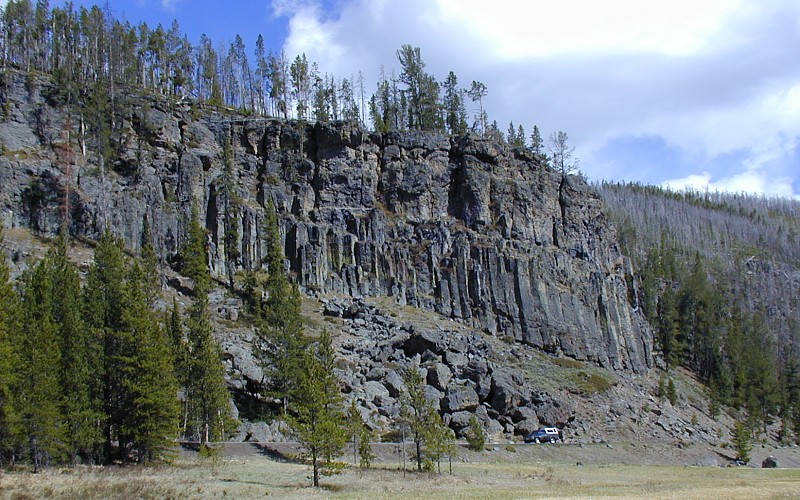
Responsible field photography on protected volcanic land
Record context, light, and texture while keeping the landscape intact for the next observer.
Read note →Independent mineral notebook
Short, source-linked observations on obsidian: how it breaks, how it reflects light, and what its textures record about cooling lava.
Recent entries
Each entry starts with one visible detail and follows it into the geology, handling, or photographic method behind the specimen.
Record context, light, and texture while keeping the landscape intact for the next observer.
Read note →
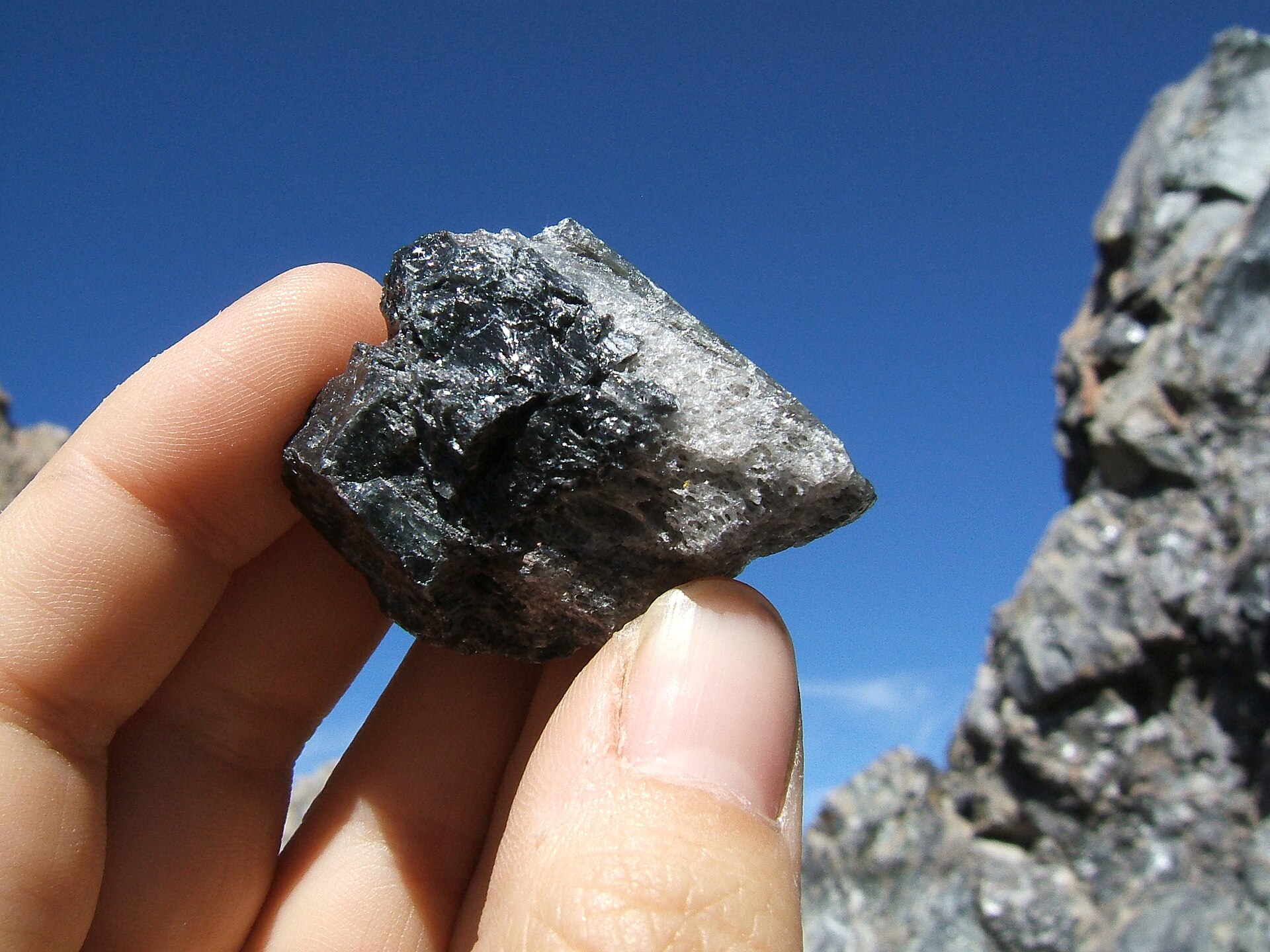
Visible dullness, coatings, and pits are observations; a hydration rind is a microscopic measurement.
Read note →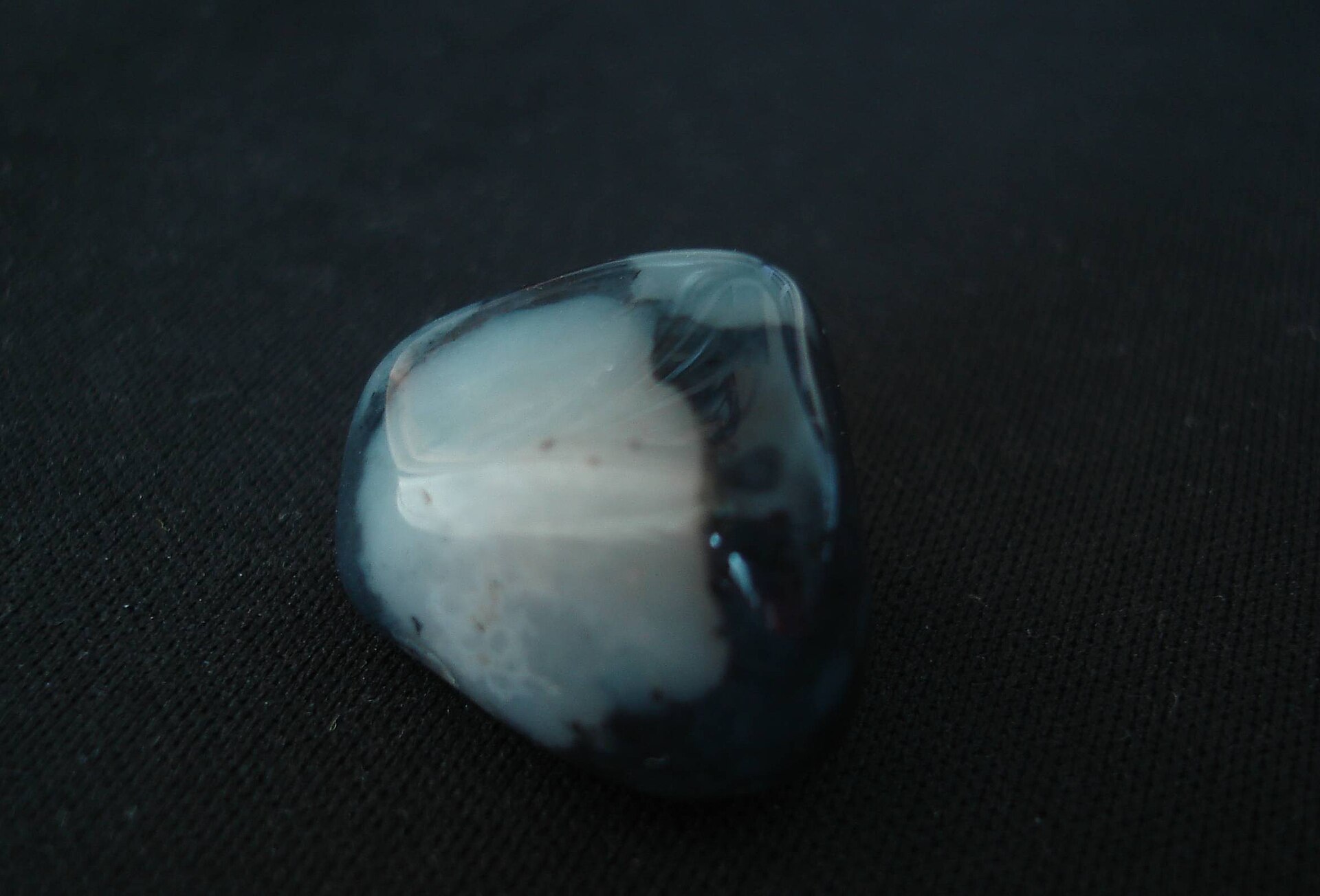
The pale patches in snowflake obsidian record devitrification: glass slowly reorganizing into crystals.
Read note →Working method
More from the archive
Obsidian makes more sense when the polished piece, the fractured edge, and the lava dome are considered together.
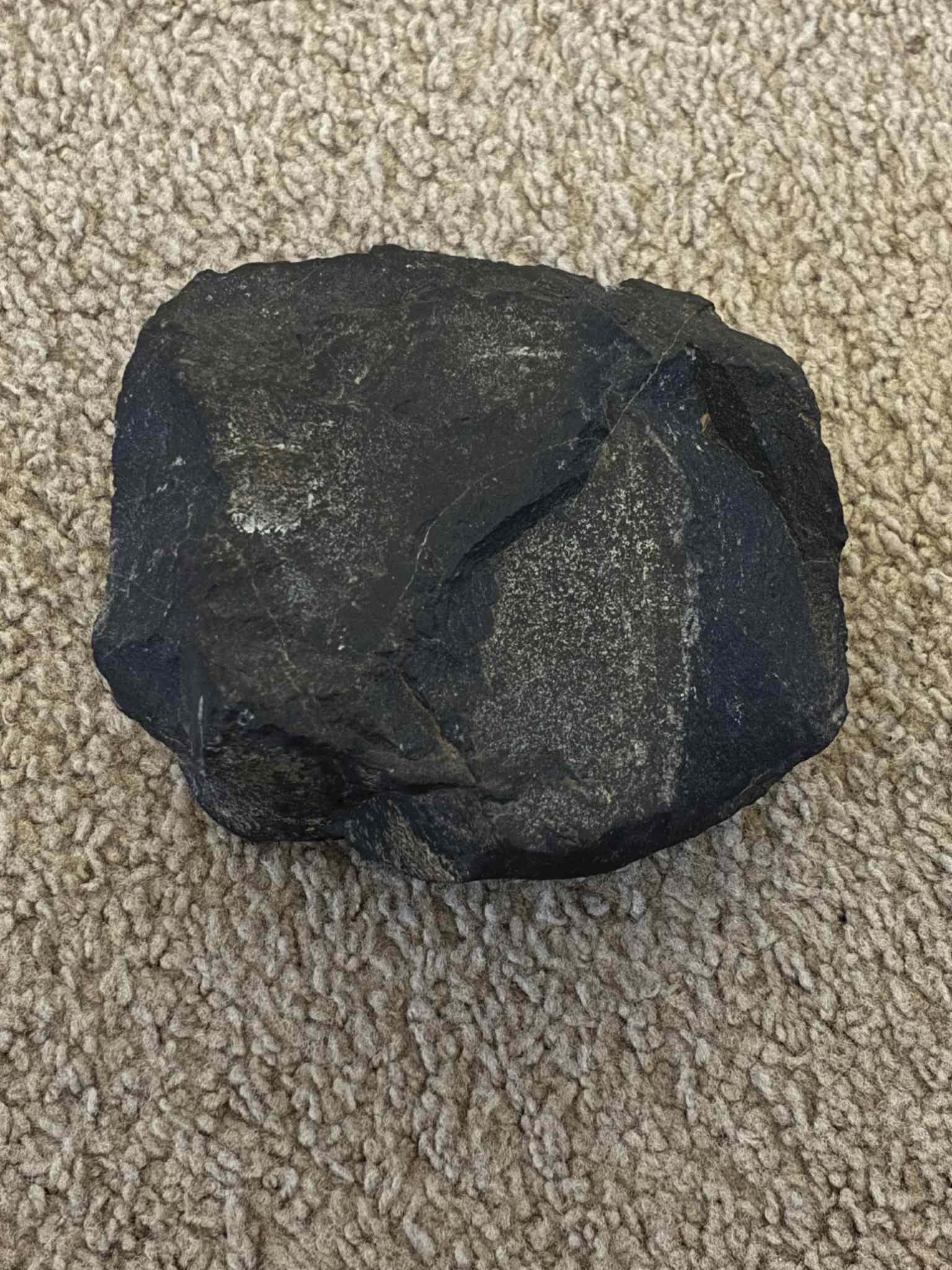
A practical comparison of luster, grain, fracture, and the very different magmas that commonly produce them.
Read note →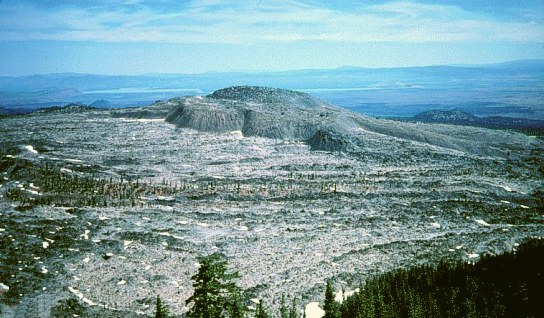
Use reflected shape rather than raw brightness to reveal a glassy surface without turning it grey.
Read note →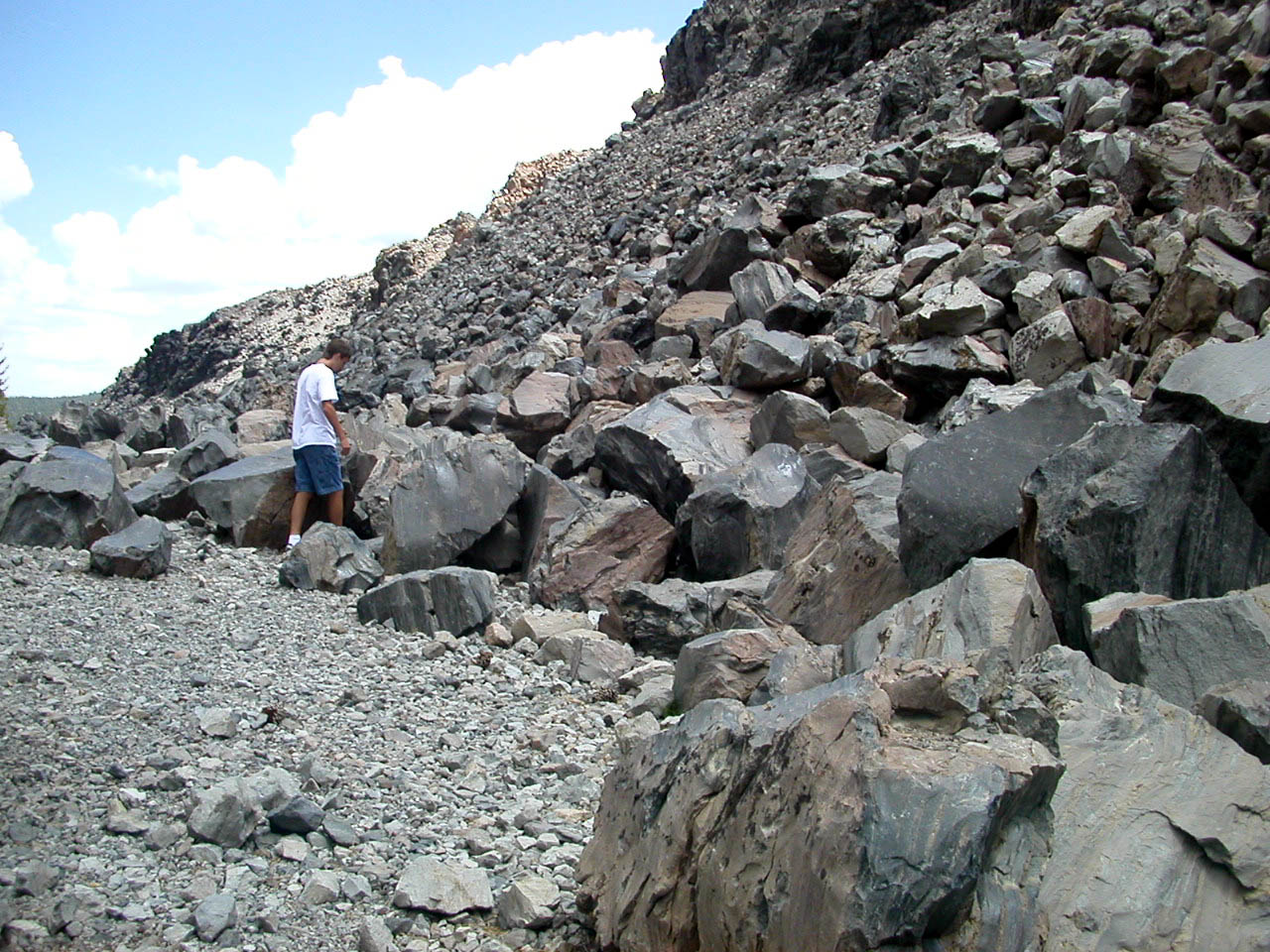
The tidy object on a desk begins in a rough landscape of viscous lava, rubble, pumice, and weathering.
Read note →